How to Beat the Used Car Affordability Crisis Without Buying a Money Pit
· Insight
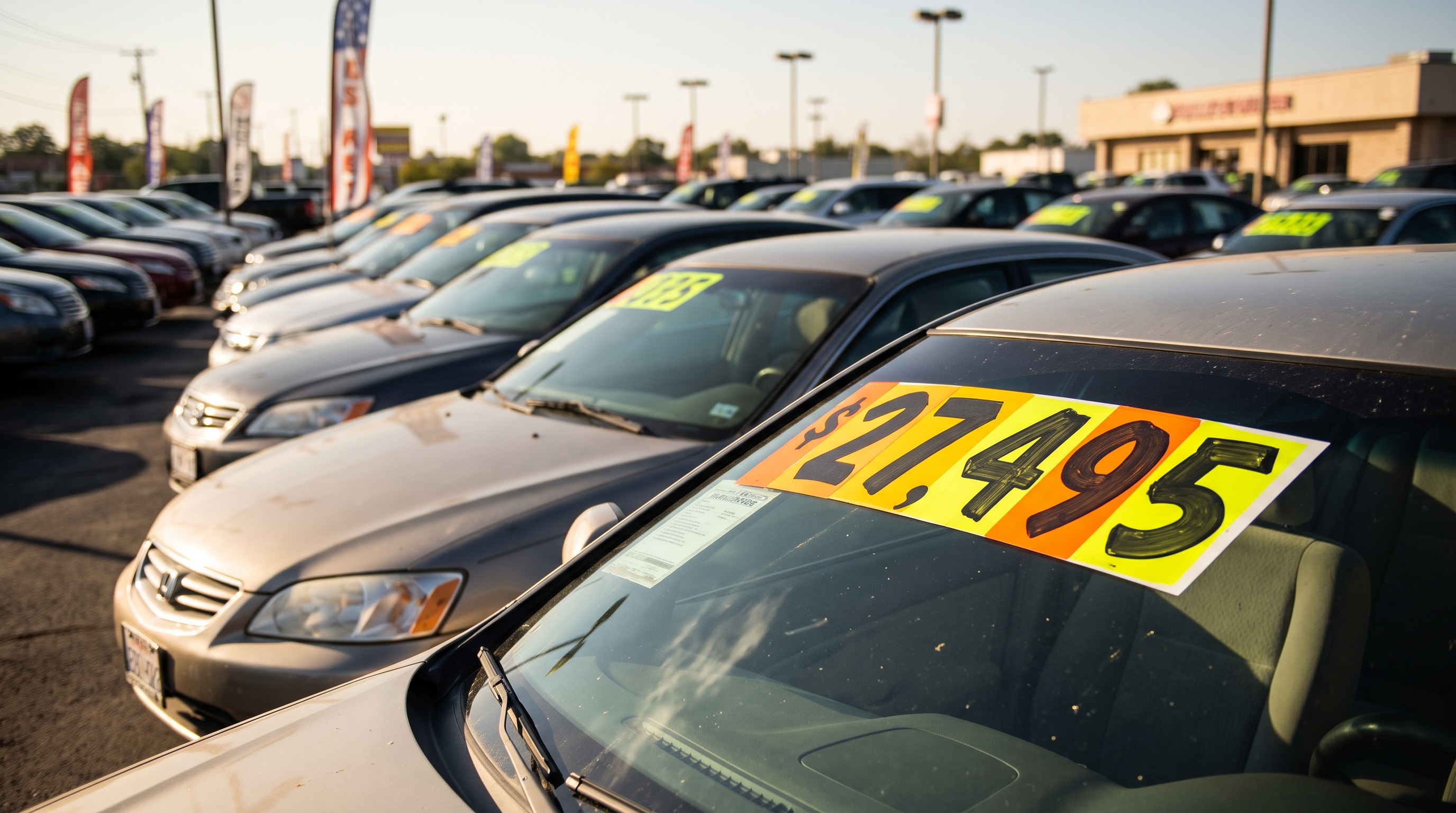
If you’ve been shopping for a used car recently, you’ve felt the sticker shock. The days of finding a wide selection of quality, low-mileage vehicles at a comfortable price are behind us. This isn’t just a feeling; it’s a structural market reality. We are in the middle of a used-car affordability crisis, and it is fundamentally changing how Americans have to approach buying a vehicle.
Understanding why the market is so unforgiving is the first step to navigating it safely. Here is what is driving the squeeze—and how you can protect your wallet from turning an "affordable" car into a financial disaster.
The Vanishing Act of the Affordable Used Car
The data paints a stark picture. According to Cox Automotive, the supply of used vehicles listed for under $25,000 has plummeted by 35% compared to pre-pandemic levels, while the average used vehicle listing price has climbed past $27,000.
For household budgets, the "sweet spot" has shrunk dramatically. Vehicles that were once readily available and reasonably priced are now scarce or priced out of reach, forcing buyers into older, higher-mileage inventory just to keep monthly payments manageable.
What’s Driving This Perfect Storm?
This affordability crunch wasn’t caused by a single event, but by three converging pressures:
The Production Echo: The new-car production shutdowns and microchip shortages of 2020 and 2021 meant millions of vehicles were never built. That created a permanent supply gap in the pool of late-model trade-ins and off-lease returns entering the used market.
Elevated Borrowing Costs: Higher interest rates directly erode your buying power. A $450 monthly payment today buys significantly less car than it did just a few years ago, pricing shoppers out of the new market—where average transaction prices have topped $50,000—and crowding them into the used segment.
Unrelenting Demand: Personal transportation isn't optional for most households. Even with higher prices and steeper financing costs, demand for reliable used cars has stayed stubbornly high, keeping a firm floor under retail pricing.
The New Reality: Higher Mileage, Higher Risk
When budgets force you into older inventory, your mechanical risk multiplies. A 7-year-old vehicle with 90,000 miles is a completely different financial proposition than a 3-year-old car with 35,000 miles. It is far more likely to be:
Completely out of its original factory warranty.
Due for major scheduled maintenance (tires, brakes, suspension components, timing belts).
Hiding underlying mechanical, structural, or electrical issues from years of wear and deferred maintenance.
Buying an aging, high-mileage vehicle based solely on a listing description and a clean history report is a high-stakes gamble. A history report only tracks officially reported past events; it won't tell you if the previous owner skipped oil changes or if the transmission is slipping today. One surprise powertrain repair can instantly wipe out any savings you found on the sticker price.
How to Protect Yourself in a High-Risk Market
The market is tough, but you don't have to shop blind. A disciplined, verification-first approach is your best defense:
1. Expand Your Search Radius The best-maintained vehicle for your budget probably isn't sitting on a lot in your zip code. Searching statewide or nationally opens up a much deeper pool of inventory—often with better pricing and cleaner service records.
2. Deploy VINsight™ Before You Commit Expanding your search means buying remotely or from an unfamiliar seller. Before you wire funds, book a flight, or sign financing paperwork, order an independent VINsight™ Pre-Purchase Inspection (PPI). Inspectd does not buy cars, sell cars, or perform repairs—meaning there is zero conflict of interest. We dispatch a vetted, local inspector to the vehicle's location and deliver a standardized, objective condition report covering the engine, transmission, frame, road test, and diagnostic scans.
3. Protect Driveway Deliveries with VINshield™ If your search leads you to an online retailer like Carvana or CarMax, your safety net is the 7-day return window. Don't waste that window guessing or scrambling to find a local shop with an open bay. With VINshield™, an independent Inspectd professional comes directly to your driveway right after delivery, giving you the documented proof needed to demand warranty-covered repairs or return a bad car before the clock runs out.
4. Budget for Total Ownership Cost When buying an older vehicle, the purchase price is only the entry fee. Always keep a buffer for near-term wear items. A thorough, standardized inspection report gives you an itemized view of upcoming maintenance so you can negotiate the price down fairly—or walk away cleanly before you inherit someone else's deferred repairs.
Finding a reliable, affordable used car takes more diligence than it used to, but it is far from impossible. Cast a wider net, budget for the full picture, and refuse to transact without ground-truth data.